
Welcome home: Unpacking after a move, one box at a time
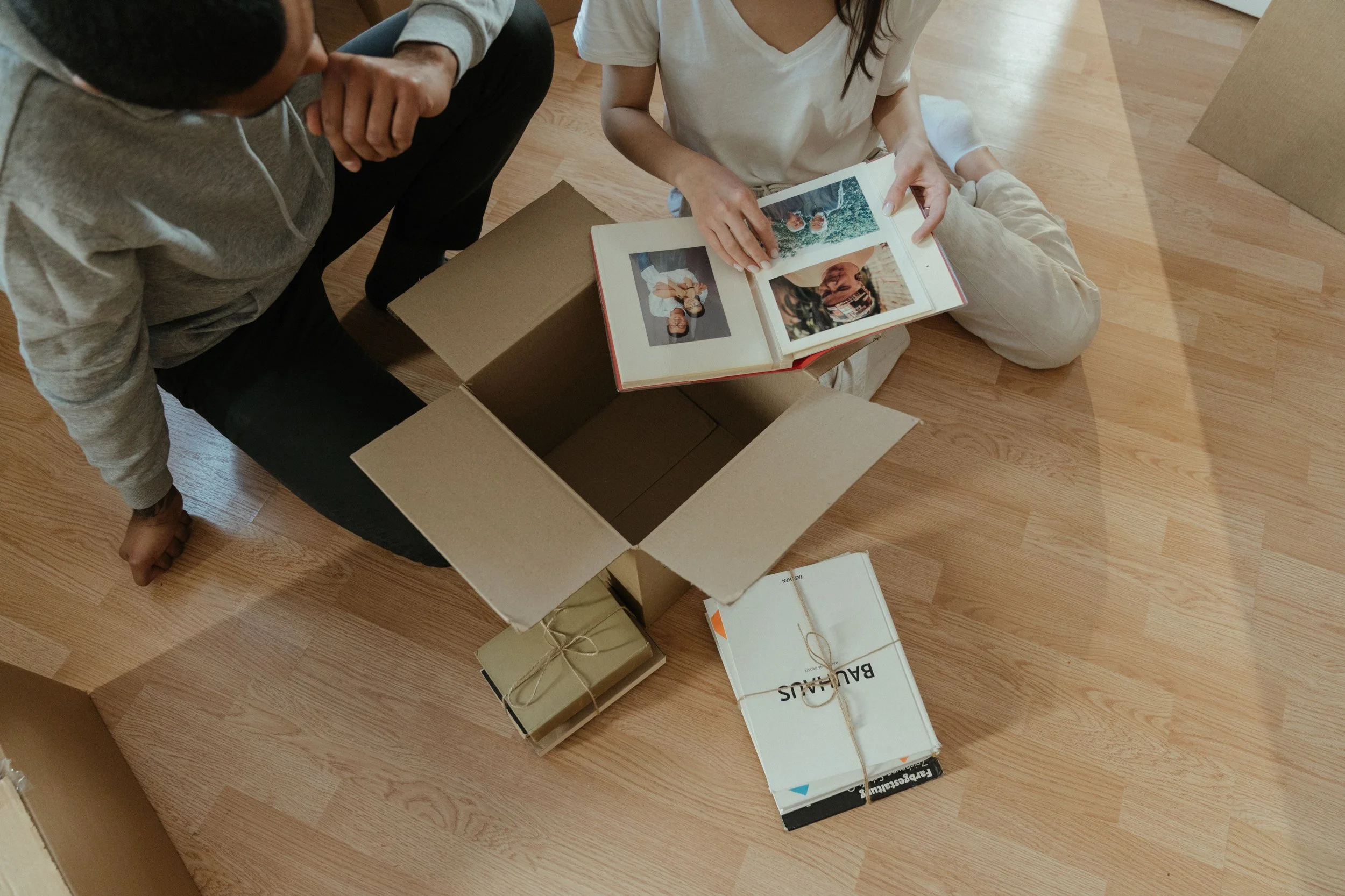
Some boxes hold dishes. Some hold memories. Both help a new house feel like home.
There's a very particular feeling that settles in after the moving truck pulls away.
The house is technically yours. Your furniture is in it, more or less where it belongs. But every room is full of boxes, the kitchen has no forks, and you're not entirely sure which box has the shower curtain.
I remember that feeling well. When I moved from Fairfield, Connecticut, to Dover during the pandemic, I stood in a new house in a town where I barely knew a soul, surrounded by boxes I didn't quite have the heart to open. It took me a while to understand that unpacking wasn't just about putting things away. It was about making a place feel like mine. I wrote more about that season in my post on relocating and downsizing.
In my experience, summer is one of the busiest times of year to move, so if you're sitting among boxes right now, you're in very good company. Here's how I approach unpacking after a move, for my clients and in my own home.
Start with the rooms that help you rest
Where you begin shapes how the rest of the move feels. When you start with the rooms that help you rest, eat, and get ready for the day, everything else feels more manageable.
Here is the order I usually follow, and you’re welcome to shuffle it to fit your home and your energy:
The bed. Before anything else, make the beds. After a long moving day, a real bed with your own sheets is worth more than any unpacked room.
The bathroom. Towels, toiletries, the shower curtain, toilet paper, and any medications.
The kitchen basics. Coffee or tea, a few dishes, a pan, and the things you need for simple meals.
Clothing. Enough to get through the week, especially for kids who need to find their clothes on their own.
Everything else, one room at a time.
When I moved to Dover, the very first thing I unpacked was my bed. Making my bed is always number one for me, so I know I'll have a warm and cozy first night in my new home.
If you packed a first night box, this is when it earns its keep. I shared what to put in one in my post on getting a longtime home ready for the move.
The kitchen comes next
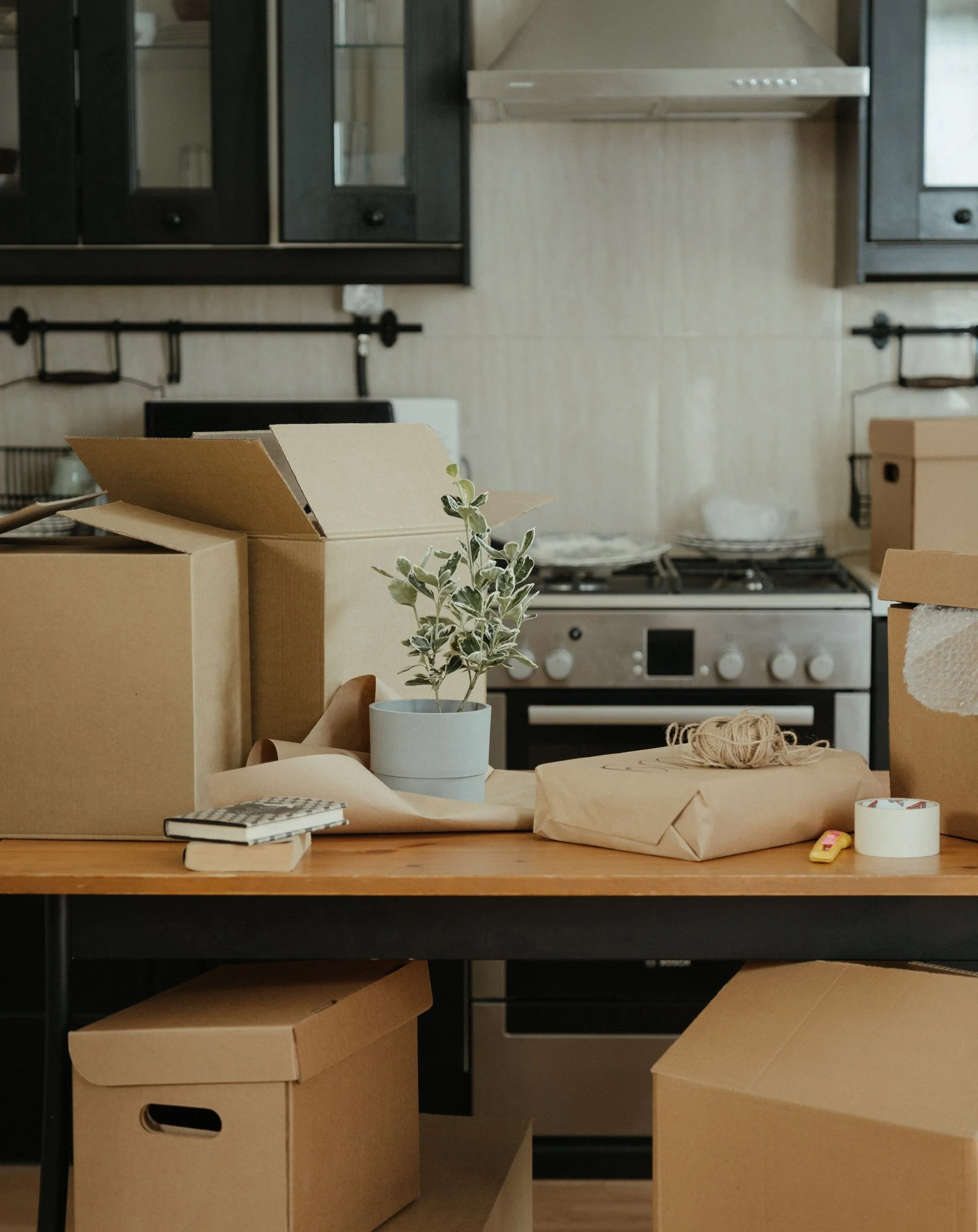
Everyday dishes first. The holiday platters can wait.
I love to cook, so for me, a home doesn't feel like a home until the kitchen works. Even if you don't love cooking, the kitchen is usually the room that makes daily life feel like daily life again.
Start with the items you use every day: everyday dishes, glasses, silverware, a couple of pots and pans, cutting boards, and your favorite knife. Put them where they're easiest to reach, even if it isn't where you imagine them living forever.
A few things that help:
Put dishes near the dishwasher. It makes unloading so much faster.
Keep cooking tools near the stove. Spatulas, oils, and salt within arm's reach.
Save the rarely used pieces for later. The holiday platters, the fondue set, and the stand mixer attachments can wait a week.
If your new kitchen is smaller than your last one, my post on organizing for the home cook with limited space has plenty of ideas for making every cabinet work harder.
Put things where you'll use them, not where they used to live
This is one of the most helpful shifts you can make.
In your old house, the extra paper towels may have lived in the basement. The wrapping paper may have lived in a hall closet. The backpacks may have been hung in the mudroom.
Your new house has a different layout, and your routines will change with it. So instead of recreating the old house, ask yourself: where will I actually reach for this?
If the new laundry room is upstairs, maybe that's where the extra towels belong. If the kids come in through the garage instead of the front door, that's where their hooks need to be. Letting the new house tell you where things belong makes it feel natural much sooner.
You don't have to unpack what you don't love
Moving has a way of revealing things. Sometimes you open a box and realize you haven't missed a single thing inside it.
That's useful information.
You don't have to find a home for everything because it made the trip. If you open a box of things that don't fit your new space or your new life, it's perfectly fine to set that box aside for donation. There's no rule that says every item has to be unpacked before you can decide.
On the other hand, if you open a box and it's full of things you love, give those things a place of honor. A new house is a wonderful chance to display the things that make you happy instead of tucking them away. I wrote more about keeping what matters in Permission to Keep What Matters.
Break down boxes as you go
This sounds small, but it matters.
Empty boxes pile up quickly, and a room full of flattened cardboard still feels like a room full of moving. Break down boxes as you empty them and keep them together in one spot, such as the garage or a corner of the basement. Many people are happy to take used moving boxes off your hands, so they can find a second life with the next family on the move.
Seeing the stack of boxes shrink each day is also very motivating.
Hang something on the wall early
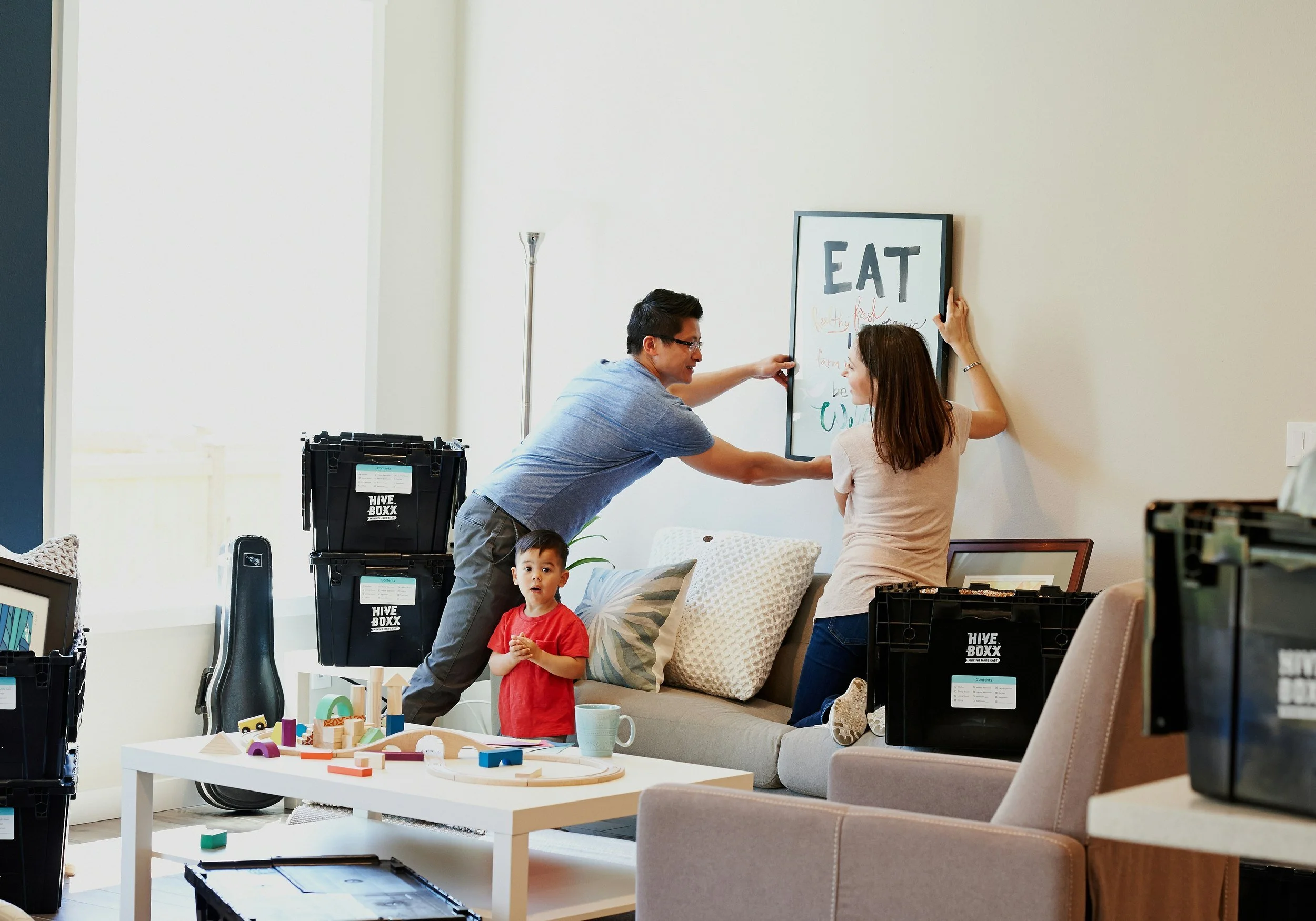
Hang one picture on the wall, and it starts to feel like you live here.
This is my favorite unpacking secret.
Within the first few days, hang one or two things that make you happy. A favorite photograph. A painting you love. A mirror in the entry.
Walls that are still bare make a house feel temporary. One meaningful piece on the wall is a signal that you live here now. It's amazing how much that one small step can change the feeling of a room.
Pace yourself
It's tempting to try to unpack the entire house in one weekend. Please don't feel you have to.
A room a day is a wonderful pace. Some rooms will take an hour, and some will take a few days. The garage, basement, and closets almost always take longer than expected, and it's completely fine if they're the last to come together.
Try to finish one space fully before moving to the next. A single finished room gives you somewhere calm to sit at the end of the day, even when the rest of the house is still in progress.
Let help in
Unpacking is one of the parts of a move people are most surprised to find help for. Many of my clients hire me to unpack and set up their new home so they can focus on work, kids, or settling into a new town.
When I help with unpacking, I don't just empty boxes. I set up systems that fit the new house and the way you live now: kitchens that make sense, closets that work, and entryways ready for real life. My organizing and move management services include unpacking and new home setup.
Frequently asked questions about unpacking after a move
How long does it take to unpack a house?
It depends on the size of the home and how much time you have each day. Many families have the essentials working within the first few days and the main rooms settled within a couple of weeks. Garages, basements, and storage areas often take longer, and that's completely fine.
Which room should I unpack first?
Start with the bedrooms and bathrooms so everyone can sleep and get ready in the morning. Then move to the kitchen. Once those three spaces work, the rest of the house feels much less urgent.
What if I don't know where things belong in the new house yet?
Give it a few days. Live in the space, notice where you naturally set things down, and let that guide you. A basket can be moved later. A system that never fit the way you live is harder to undo.
Is it worth hiring someone to help unpack?
For many people, yes. Unpacking with help can turn weeks of evenings and weekends into a few focused days, and you end up with systems designed for the new house rather than boxes emptied onto shelves. It's especially helpful for busy professionals, families with young children, and anyone moving into a smaller space.
What should I do with all the empty boxes?
Break them down as you go and keep them in one spot. Neighbors, local community groups, and friends who are moving are often happy to take them, and whatever is left can go out with your recycling.
Settling in, one box at a time
Unpacking after a move happens a little at a time, and so does turning a new house into a home. The bed gets made, the coffee maker finds its spot, a favorite picture goes up on the wall, and one day you walk through the door and realize it finally feels like yours.
If you have just moved to Dover, Sherborn, Medfield, Wellesley, Newton, Natick, or a nearby MetroWest town and would like some help getting settled, I'd love to hear from you.
Welcome home.
Love,
Merrie
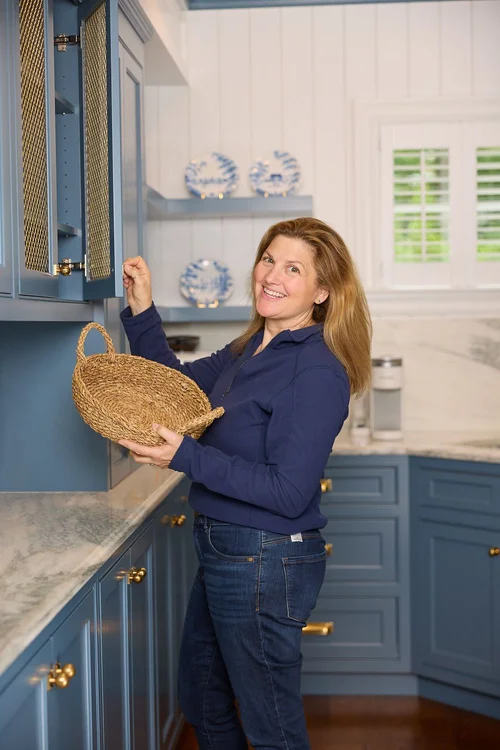
Hi! I'm Merrie. I find joy in creating cozy, tidy, and welcoming spaces by helping people reclaim their homes as havens of peace and comfort, whether they're navigating a new season, managing a busy household, or simply craving calm. My gentle, collaborative approach ensures every step honors your pace and story. Together, we'll design systems that are beautiful, functional, and sustainable, so you can spend less time overwhelmed and more time truly at home.