
One piece at a time: What puzzles taught me about organizing
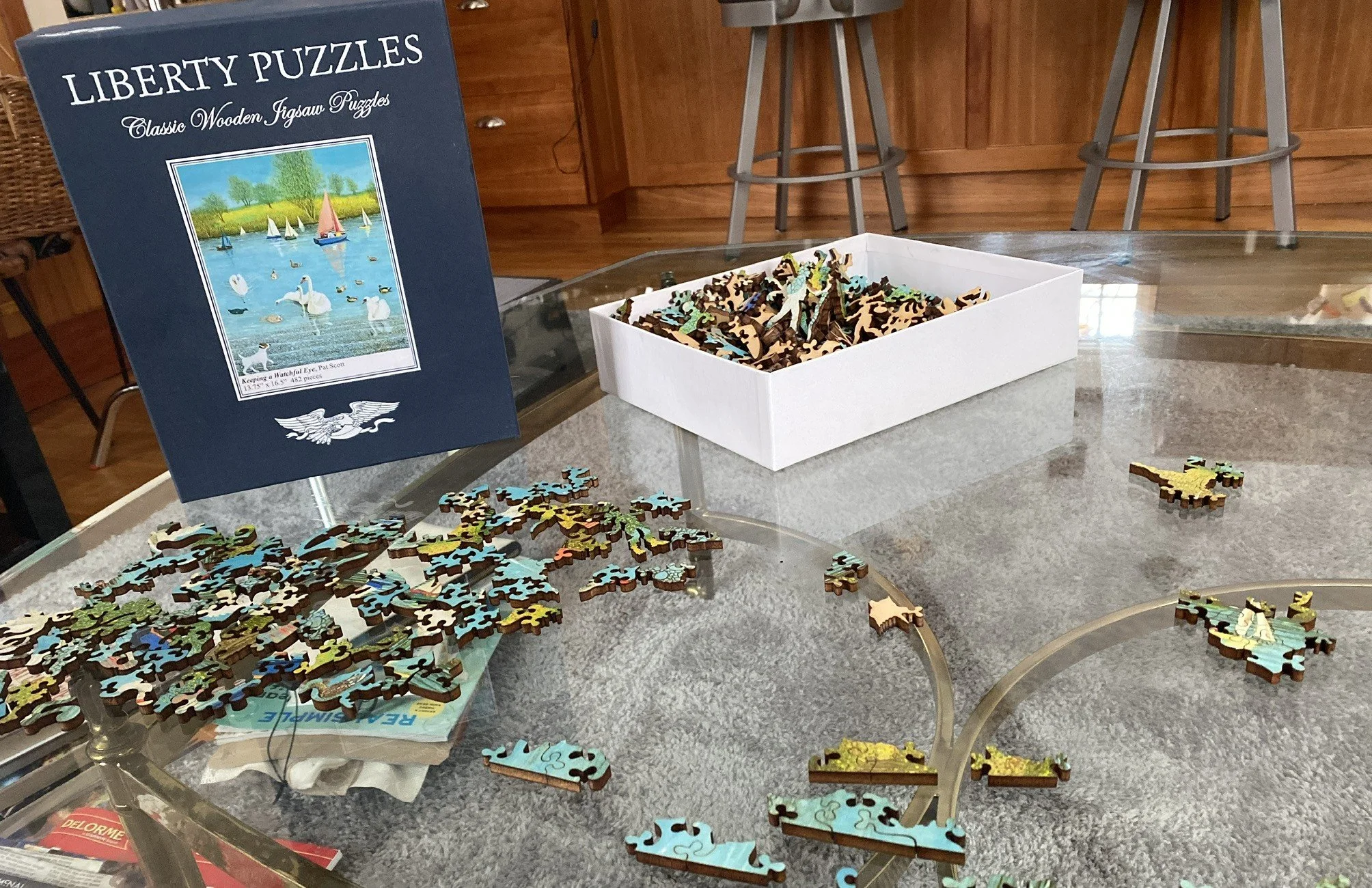
Look at the picture, sort the pieces, and take your time. That’s how I do puzzles, and it’s how I organize homes.
I love jigsaw puzzles, the bigger the better. There's nothing like pouring five hundred or a thousand pieces onto the table and hearing that satisfying clatter. I love lighting a candle, sitting down with a cup of coffee and no agenda, and doing the slow and deliberate work of finding where each piece belongs.
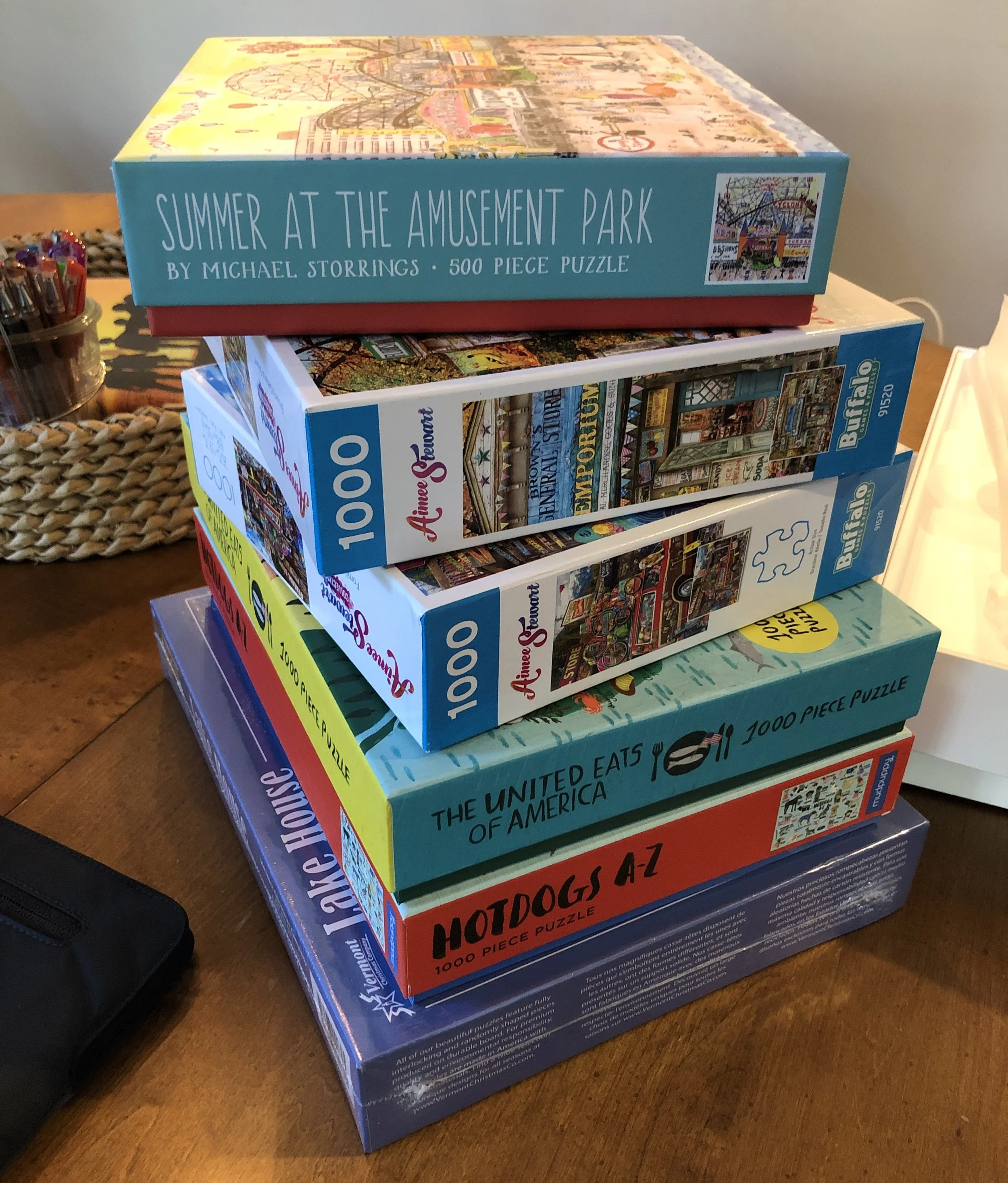
A few from my to-do pile. Five hundred pieces or a thousand, I love them all.
I also spend my days walking into homes that feel, to the people who live in them, completely overwhelming. Closets packed to the ceiling. Basements that haven't been touched in a decade. Dining room tables that haven't seen a dinner plate in years.
It might seem strange to my clients, but I love that moment. Where someone else sees clutter, I see pieces of a picture that's waiting to be put together, and I start to imagine how lovely it could be.
A full home and a new puzzle really have a lot in common, and they come together the same way.
The Box Top Problem: Why a Full Space Feels So Overwhelming
When you pour all the pieces of a new puzzle onto the table at once, something interesting happens. Your brain, which handles so many things well, suddenly feels like it can't handle any of them. The pile is too big. The colors blur together. There's nowhere obvious to start.
That's exactly how many people feel when they first call me.
Whether it's a busy family whose mudroom has become the landing spot for everything, or someone preparing to downsize after forty years in the same house, the feeling is the same. There's too much to look at, and no clear picture of where to begin.
That overwhelm is real. It isn't a character flaw, and it isn't laziness. It's simply what happens when there's no system, no sorting, and no box top to look at.
Part of my job is to be the “box top”. I help you see the whole picture and what it could become.
Sorting First: The Step Nobody Wants to Skip
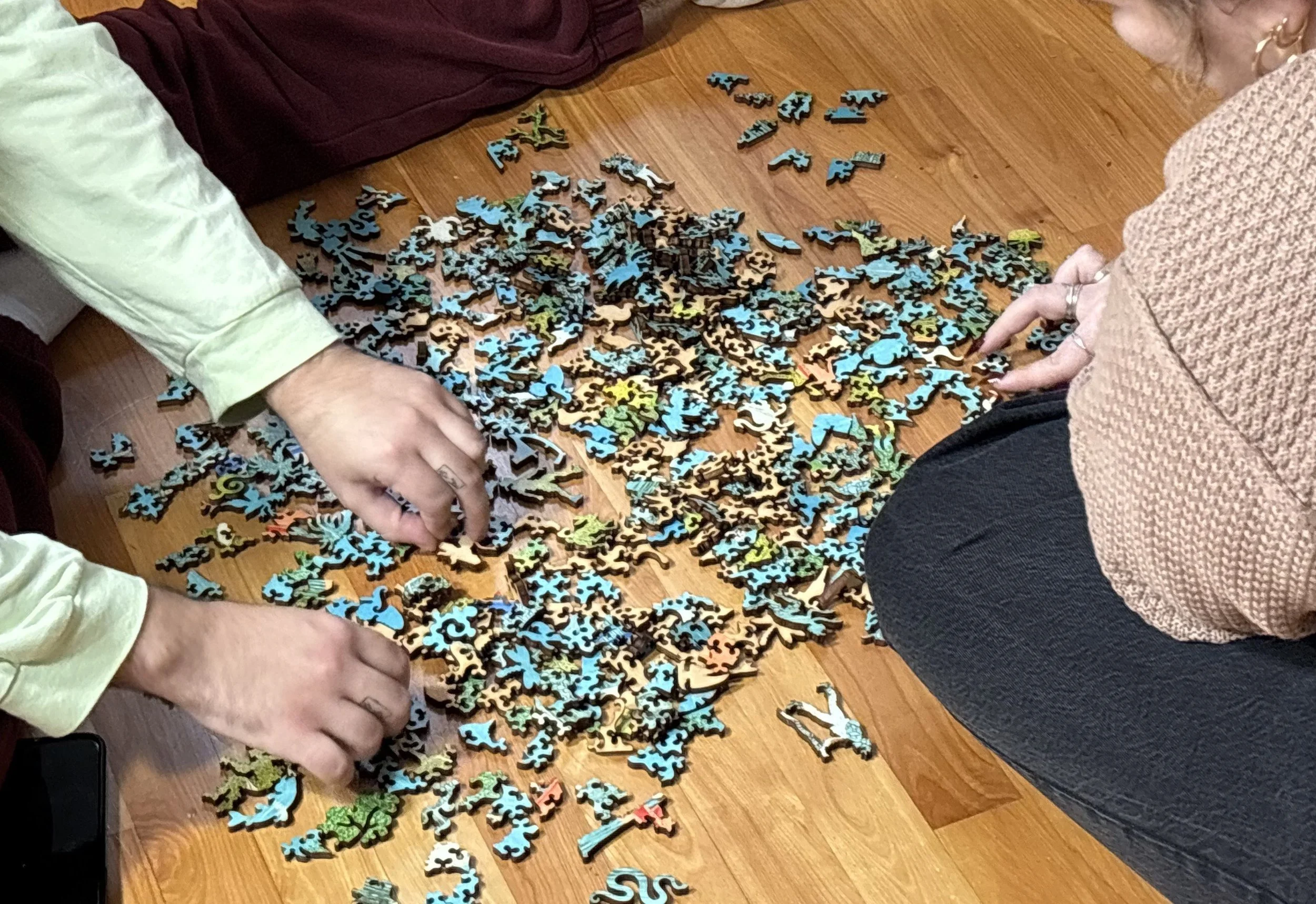
Every puzzle starts as a pile. Sorting comes first, in a closet or on the living room floor.
Ask anyone who loves puzzles, and they will tell you that you don't just grab a piece and start searching for where it goes. First, you turn everything right side up. Then you find the edges. Then you group by color, pattern, and all the little details that tell you where a piece belongs.
Organizing works the same way.
Before a single item goes into a bin or onto a shelf, we sort. Like goes with like. Winter coats together. Paperwork together. Sentimental items in their own category. The things that belong to the house, and the things that belong to a person.
Sorting can feel slow, especially when you just want to see results. But it's the foundation of everything that comes after. Without it, you're only moving the pile from one place to another.
Why "Just Toss It All" Rarely Works
There's a popular idea right now that the answer to a full house is always to let go of as much as possible, as fast as possible. I understand the appeal. It feels decisive.
But in a puzzle, flipping all the pieces face down doesn't help you finish faster. It just hides the information you need.
The same is true at home. When we move too quickly, without sorting and without considering what things mean to the people who live there, mistakes happen. Things that mattered get lost. Other things stay out of guilt when they could have gone to someone who needed them.
The goal isn't an empty house. It's a home that works, and one that feels like yours.
One Piece at a Time: The Gift of Not Rushing
Every seasoned puzzler knows you can't force a piece. If it doesn't fit, you set it aside and come back to it. Sometimes the piece that stumped you for twenty minutes clicks into place the next morning because you're looking at it with fresh eyes.
Organizing asks the same patience of us.
There are always items in a home that are hard to decide about. Maybe it's your mother's china that you never use but can't imagine giving away. Maybe it's equipment from a hobby you meant to pick back up. Maybe it's a closet of clothes that no longer fit your body or your life.
We don't force those pieces. We set them aside, acknowledge that they matter, and come back when the time feels right. There's no shame in a "not yet" pile. Honoring the hard decisions, rather than rushing them, is one of the most respectful parts of this work.
Sentimental Pieces: The Ones That Deserve Extra Care
In every puzzle, there are pieces I love more than others. The corners. The ones with a bit of color that tells me exactly where they go. The one I've been searching for that finally turns up under the edge of the box.
Every home has pieces like that too. Birthday cards saved in a shoebox. Children's artwork in a bin under the stairs. The quilt someone's grandmother made.
These aren't clutter. They're the corner pieces of a family's story, and they deserve to be treated that way.
Organizing never needs to feel like erasure. When we find the right place for something sentimental, whether that's a memory box, a dedicated shelf, or a photograph taken before something is passed along, we're honoring it. I wrote more about this in Permission to Keep What Matters.
The Moment the Picture Comes Together
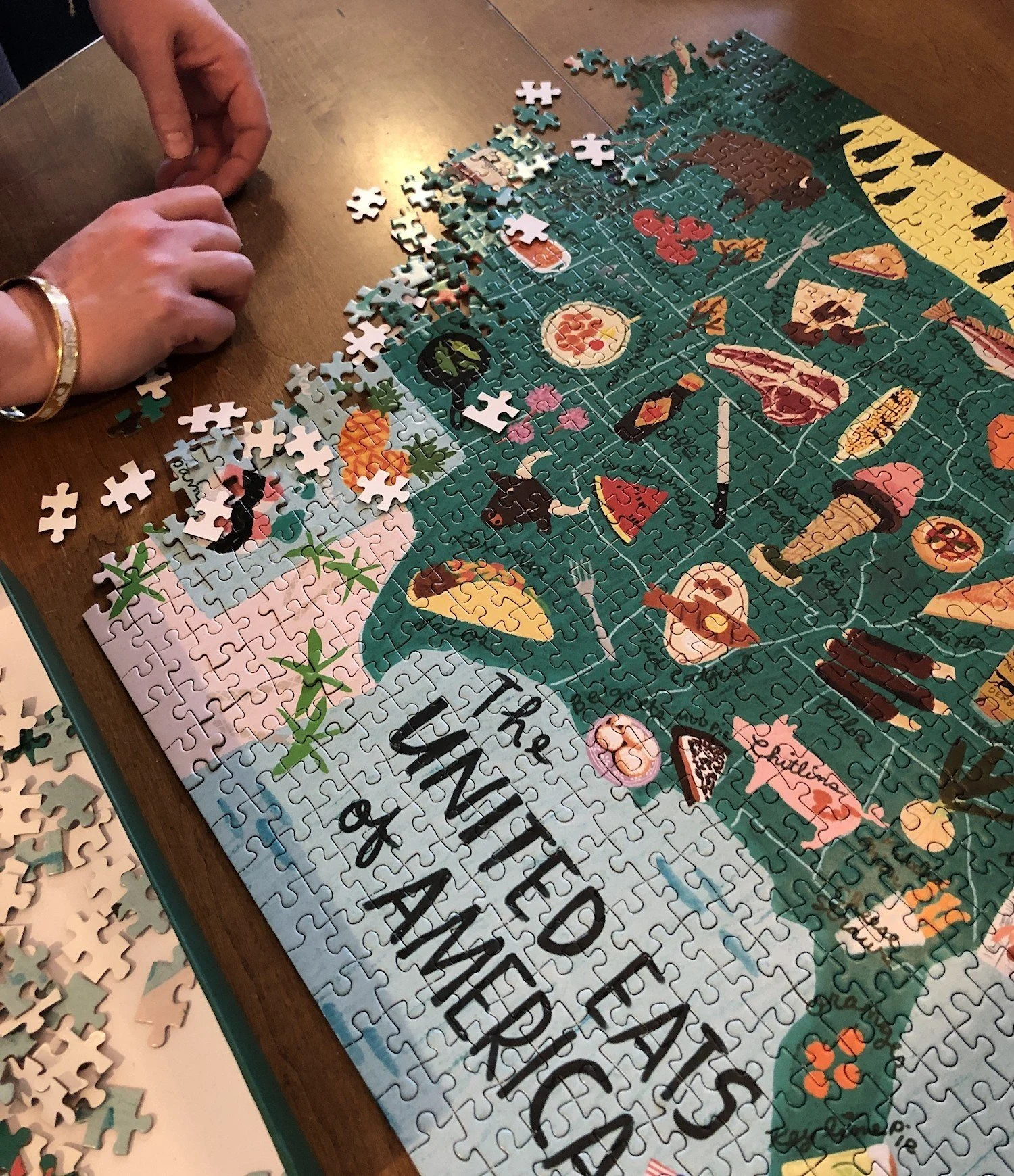
The moment the sections start to connect is always worth the wait.
If you do puzzles, you know the feeling. It usually arrives somewhere in the last quarter. The sky that looked impossible starts to resolve. The sections you built separately suddenly connect. You look up and realize you can see the whole picture, and the end is close.
I get to watch that moment happen in real homes.
It might be the moment someone walks back into a home office that finally has a system and just stands there for a minute. It might be a family pulling the car into the garage for the first time in years. It might be someone who dreaded downsizing sitting down in a calm living room and letting out a long breath.
One client, whose small apartment we completely transformed together, lovingly told me I was a wizard. A year later, she still texts me photos of her closets and kitchen, just to show me how much she loves them. There's no magic, of course. Just sorting, patience, and one piece at a time. But I keep every one of those texts.
That's the finished picture, and it's always worth the work it took to get there.
Puzzles Are Better With a Partner
I love doing puzzles on my own. There's something peaceful about it. But some of my favorite puzzle memories involve someone sitting across the table, working on a different section, and occasionally sliding a piece over with a quiet, "I think this one is yours."
A good puzzle partner doesn't take over. They don't tell you your approach is wrong. They work alongside you, share what they see, and make the whole thing feel less daunting.
That's what I try to be for my clients. I'm not there to impose a system or decide what matters to you. I'm there to sit across the table, see what's hard to see from where you're standing, and help you find where the pieces belong. If you're curious what that looks like, here is what to expect at your first session.
Ready to Start Your Puzzle?
If your home feels like a pile of pieces that can't possibly go together, I promise they can. It takes the right approach, a little patience, and someone willing to sit down at the table with you.
I work with families, busy professionals, and seniors in Dover, Sherborn, Medfield, Newton, Wellesley, Natick, Needham, Westwood, and nearby MetroWest towns. You can learn more about my home organizing services, or reach out and tell me what your puzzle looks like.
Every finished picture starts with one piece. Let's find yours.
Love,
Merrie
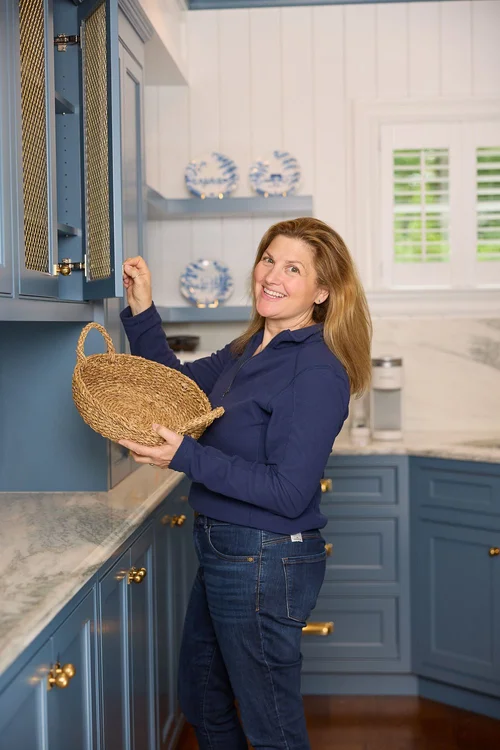
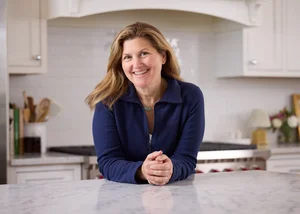
Hi! I'm Merrie. I find joy in creating cozy, tidy, and welcoming spaces by helping people reclaim their homes as havens of peace and comfort, whether they're navigating a new season, managing a busy household, or simply craving calm. My gentle, collaborative approach ensures every step honors your pace and story. Together, we'll design systems that are beautiful, functional, and sustainable, so you can spend less time overwhelmed and more time truly at home.