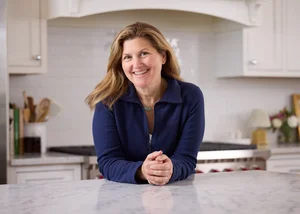

Getting a Longtime Home Ready for the Move: A Gentle Guide to Sorting, Packing, and Moving Day
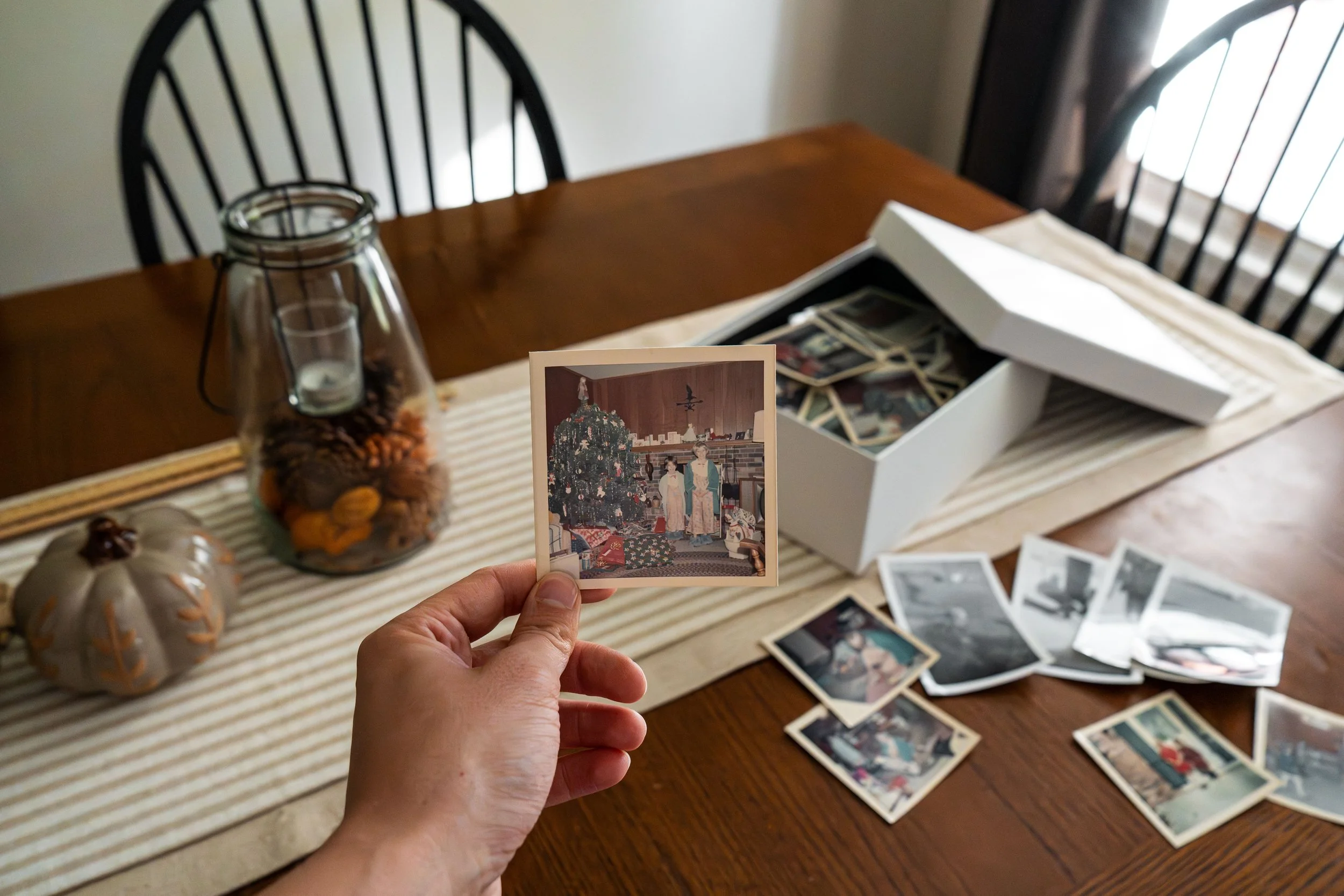
The box of photos is never just a box. It's Christmas mornings, matching bathrobes, and the living room you grew up in. When we get a home ready for a move, we make time for moments like this one.
Early March in MetroWest is a strange, in-between season. The snowbanks are gray and shrinking, the light lasts a little longer each evening, and you can finally start to believe that spring is on its way. For many families, there is also an important date on the calendar: the day the house needs to be ready for sale, or the day the movers arrive.
Maybe you are selling the home where you raised your children. Maybe a parent is moving into assisted living, or you are helping someone you love move closer to family. Maybe you have simply decided that the house that worked beautifully for one chapter of your life no longer makes sense for the next one.
Whatever the reason, every time you open the hall closet or look up at the attic door, you feel it. There are forty years of birthdays, Thanksgivings, report cards, photographs, vacations and ordinary Tuesdays tucked into that house, and suddenly all of those things are waiting for a decision.
If that is where you are right now, please know that you don’t have to figure it all out at once. Getting a longtime home ready for a move is one of the most tender transitions I help people through because there is so much more to it than packing boxes. You’re sorting through a home and, in many ways, a life. That deserves some time and care.
Start With What You’re Taking With You
Most people begin a downsizing project by looking around and wondering how they are ever going to get rid of all of this. I like to turn that question around and start with something much easier: What is coming with you?
Before we start opening drawers and making piles, I want to know which things matter most. It might be the rocking chair where you soothed your babies, your mother’s recipe box, a painting you bought on your honeymoon in Maine, or the dishes that have been on your Thanksgiving table for decades. Sometimes it’s something that wouldn’t mean very much to anyone else but means the world to you.
Once you know what is coming with you, the other decisions become a little easier. Instead of looking around at a house full of things you have to give up, you can begin to think about the things you are choosing to bring into your next chapter.
I learned some of this myself when I moved from Fairfield, Connecticut, to Dover during the pandemic. I barely knew a soul here, and those familiar things I chose to bring with me mattered more than I expected. They became little anchors in an unfamiliar place and did the quiet work of making a new house feel like mine.
Getting Through the House Without Getting Overwhelmed
When I’m helping someone prepare for a move, we go room by room. Trying to think about the whole house at once is overwhelming, and it usually makes it harder to start.
I like to begin somewhere that isn’t terribly emotional, such as the linen closet, guest bathroom or pantry. The kitchen cabinet filled with mismatched food storage containers is another good candidate. These spaces let you practice making decisions without having to decide what to do with your children’s baby clothes on the first day.
As we go, we create a few simple categories: coming with me, family, donate, sell and recycle. It doesn’t need to be more complicated than that. We just need somewhere for each decision to land, and once a few bags and boxes begin leaving the house, you can actually see the progress you’re making.

A few simple boxes give every decision somewhere to land. Start with the easy things, like the sweaters you haven't worn in years, and let the momentum carry you to the harder rooms.
Give Yourself Time for the Things That Matter Most
Eventually, we get to the harder rooms and boxes: photo albums, children’s artwork, wedding china, old letters, family photographs and the things that belonged to your parents.
These are not decisions I like to rush. If we spend an afternoon reading old letters and only get through one box, I don’t consider that an unsuccessful afternoon. Those letters haven’t been opened in years, and of course you’re going to stop and read some of them. Remembering is part of the process too.
One of the hardest situations is when all of the sentimental things have been saved until the week before the move. By then everyone is tired, there’s a deadline looming, and decisions that deserve some thought suddenly have to be made very quickly. If you can, give these things their own space on the calendar.
Don’t Leave the Attic Until the End
The attic, basement and garage have a way of looking like one project when they’re really twelve projects hiding in the same room. There are tools, holiday decorations, sports equipment, old paint, gardening supplies and boxes that were taped shut during the last move and haven’t been opened since.
These spaces almost always take longer than people expect, so I like to get into them early. It is much better to discover six weeks before the move that there are twenty boxes in the attic than to discover it six days before the truck arrives.
What Do You Do With All the Sentimental Things?
This is usually the part people worry about most, and I understand why. When I work in someone’s home, I don’t think of meaningful belongings as simply “stuff.” These things have history. They belonged to people you loved, were part of your family’s traditions, or remind you of a version of your life you aren’t quite ready to say goodbye to.
That doesn’t mean you have to keep every single thing. It simply means those decisions deserve a little more thought.
Ask Your Family What They Actually Want
Before donating or selling meaningful family pieces, give your children and grandchildren a chance to tell you what they would like. Just try not to predict what they’ll choose.
I’ve seen families pass over the things everyone assumed would be important and become attached to something completely ordinary, like the old cast iron skillet, a mixing bowl, a Christmas ornament or the cookie jar that sat on the counter for thirty years. Often, those everyday objects are the ones tied to the strongest memories.
If your children live out of state, take pictures and put them in a shared album so everyone can look through them. I also recommend giving people a date to make their choices because “I’ll think about it” has a funny way of lasting until moving day.
Photograph the Things You Can’t Take With You
Sometimes something brings back a wonderful memory but simply doesn’t belong in the next house. A complete set of holiday dishes, years of children’s artwork, a shelf of trophies or a large piece of furniture may have meant a great deal to your family without needing to travel with you forever.
Taking a photograph before letting something go can make that decision easier. I’ve had clients turn those pictures into a small photo book, which is often far more enjoyable than keeping several bins tucked away in a closet that nobody opens.
Keep the Things You Want to Enjoy
I wrote about this in Permission to Keep What Matters, and it’s something I come back to often. If you truly love something, let’s find a place for it in your new home, not simply another box where it will stay hidden.
Choose a handful of meaningful things to put on a shelf, hang on a wall or use every day. The whole reason for keeping something special is to be able to enjoy it.
Getting the House Ready to Sell While You’re Still Living There
If you’re selling the house at the same time, there is another layer to all of this because we’re preparing you to move while also preparing the house for someone else to see.
Fortunately, those two projects work well together. As we decide what isn’t moving with you, closets become less crowded, countertops get clearer and rooms begin to feel more open. Much of what helps a home feel good for showings happens naturally through the downsizing process.
That doesn’t mean your house needs to look as though nobody lives there. You are still living there, after all. Keep the blanket you use every night, your coffee mug by the machine and the family photograph that makes you happy when you walk past it. We’re simply creating enough breathing room for a potential buyer to see the house rather than everything inside it.
Plan the New Home Before You Pack the Old One
If you’re moving into a smaller home, knowing exactly what will fit can save you from making a lot of difficult decisions on moving day.
Get a floor plan of the new home if you can, and measure the furniture you are considering taking. Will your sofa fit comfortably? Is there really room for the dining table? Do you need both large dressers, or would one work better in the new bedroom?
Sometimes a beloved piece fits beautifully. Other times we realize that moving it would mean paying to transport something only to discover there isn’t a sensible place for it. I’d much rather figure that out before it goes onto the truck.
I like to sketch the rooms and decide where the larger furniture will go. It doesn’t need to be a professional floor plan. Paper and pencil work perfectly well. On moving day, that little drawing can also be incredibly helpful because the movers know where things belong instead of having to ask you about every chair and bookcase.
If you’re moving into a smaller space, furniture that can do more than one job is especially helpful. An ottoman with storage, a desk that can double as a table or a smaller dining table with leaves can give you flexibility without making the new home feel crowded.
Preparing for the Movers
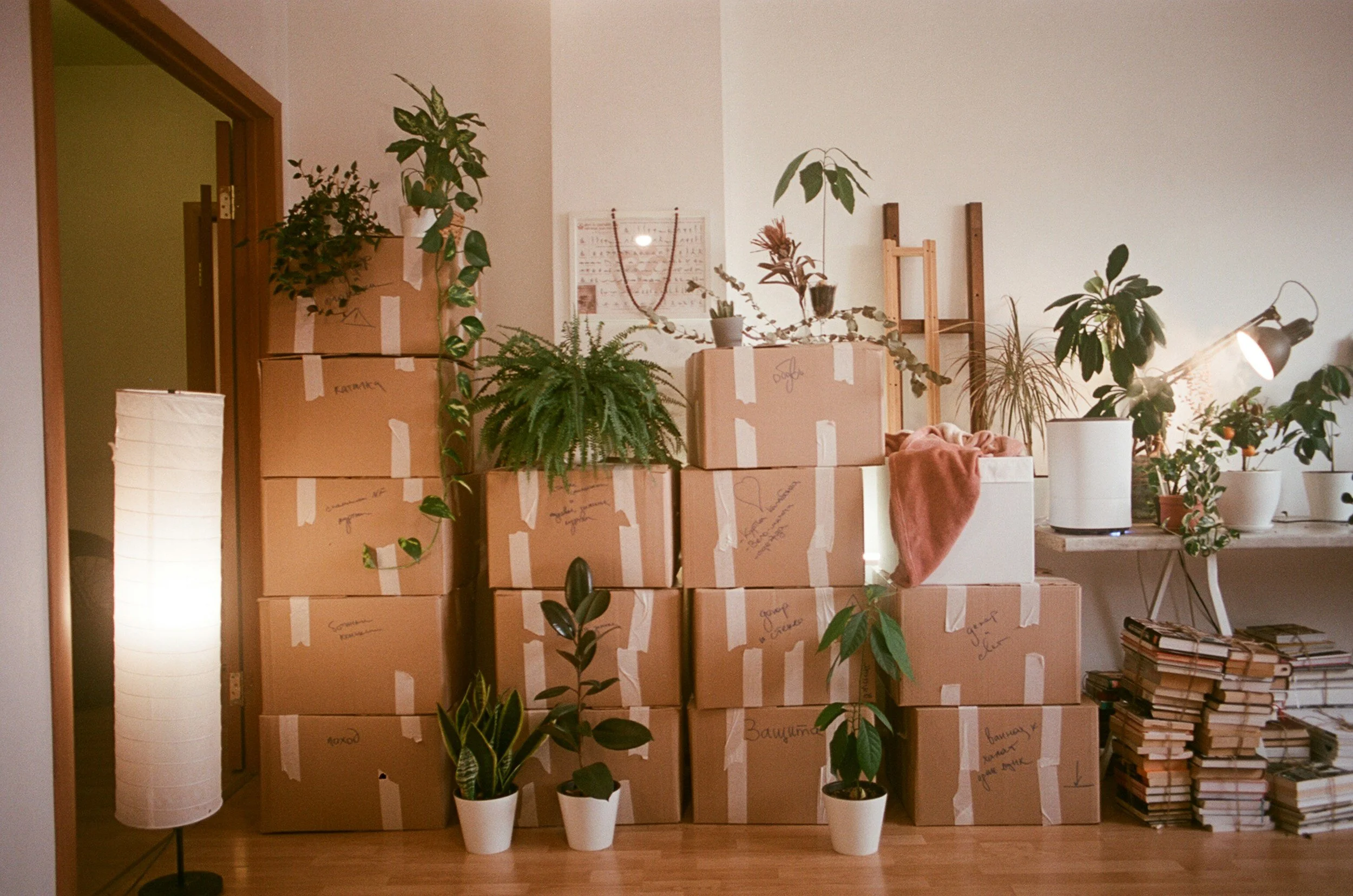
Packed, labeled, and ready to go. The boxes can ride on the truck, but the plants, the favorite lamp, and the things that make a new place feel like home deserve a plan of their own.
By the time we begin packing, ideally most of the difficult decisions have already been made. We’re no longer packing an entire household simply because it happens to be there. We’re packing the things you’ve intentionally chosen for your new home.
A little organization at this stage makes unpacking much easier. Label boxes with both the room and the contents. “Kitchen: everyday mugs and teapot” is much more helpful than six boxes that simply say “Kitchen.” I also like using a different colored sticker for each room so the movers can tell at a glance where everything belongs.
Family photographs, heirlooms and irreplaceable pieces should be clearly identified, and you may want to carry the most precious things yourself. Medications, jewelry, legal documents, checkbooks, chargers and anything you’ll need immediately should also stay with you rather than going onto the moving truck.
I always recommend packing a first-night box too. Put in your sheets, towels, toiletries, a lamp, chargers, a few dishes, pajamas and whatever you’ll need for coffee or tea the next morning. Add something familiar that makes you happy, whether that’s your favorite mug or the photograph that’s been beside your bed for years.
Moving Day and Your First Night
Before the moving truck leaves, walk through the entire house one more time. Open the closets and cabinets, check the basement and look behind the doors. It’s surprisingly easy for one small cupboard or closet to be overlooked when there are people coming and going all day.
When you arrive at the new home, you do not need to unpack the whole house that night. Start with the bed and your first-night box, then put a few familiar things where you can see them.
The rest really can wait until tomorrow.
That first night isn’t about having an organized, finished home. It’s about beginning to feel like you belong there.
When Adult Children Are Helping From Far Away
I see this often with families in Dover, Wellesley, Newton, Needham, Sherborn, Medfield, Westwood and throughout MetroWest. Adult children want to help their parents move, but they may live in New York, California or somewhere else that makes coming home every weekend impossible. They also have their own memories and emotions tied to the house.
A shared photo album can make things much easier, as can one or two scheduled FaceTime walkthroughs when everyone can look at things together. Agreeing on a date for final decisions also helps the process continue without anyone feeling left out.
This is one of the places where having someone neutral in the room can make a real difference. Part of my job is keeping the project moving without making anyone feel rushed. I can manage the timeline and all of the practical pieces while making sure the wishes of the person who is actually moving remain at the center of the process.
Frequently Asked Questions About Preparing for a Move
How early should I start?
If you have the luxury of time, give yourself at least two or three months. That leaves room for the attic and basement, family decisions, donations, movers and all of the sentimental things you weren’t expecting to find.
If you have less time, that’s okay too. We work with the time you have and start with the decisions that will make the biggest difference.
What if my children don’t want the things I’ve saved for them?
This happens all the time, and yes, sometimes it hurts. But their decision not to take the china or the dining room furniture doesn’t erase the memories attached to those things.
Keep the pieces you genuinely love, photograph others if you’d like, and then find good homes for the rest. Sometimes knowing that something will actually be used by another family makes letting it go a little easier.
Is downsizing help only for someone moving to assisted living?
Not at all. I work with empty nesters, retirees, people moving closer to their children or grandchildren, people moving into smaller homes and families helping parents through a move.
Sometimes you’re moving because you need to, and sometimes you’re moving simply because you’re ready for something different. Either way, the process can be handled thoughtfully.
Can you help with the actual move?
Yes. My organizing and move management services can begin with the first walkthrough and continue through sorting, downsizing, preparing, packing and unpacking in the new home.
One of my favorite parts is helping set up the new space so that when you walk in, it begins to feel like your home rather than a house filled with boxes.
If You’re Not Sure Where to Begin
If you have a moving date on the calendar and every room feels like a project, don’t try to tackle the whole house this weekend.
Instead, take a notebook and walk through your home. Write down three things you know without question are coming with you, then choose one relatively easy space to begin sorting. That’s enough for a start.
Getting a longtime home ready for a move isn’t about emptying it as quickly as possible. It’s about honoring the life you’ve lived there while deciding what belongs in the life you’re creating next.
If you’re in Dover, Wellesley, Newton, Needham, Sherborn, Medfield, Westwood, Natick or another nearby MetroWest town and would like help with that process, I would be happy to walk through it with you. You can learn more about what to expect at your first session or schedule a complimentary consultation when you’re ready.
Your stories are coming with you. Let’s make room for them.
Love,
Merrie