
A new chapter: Helping a parent move to assisted living
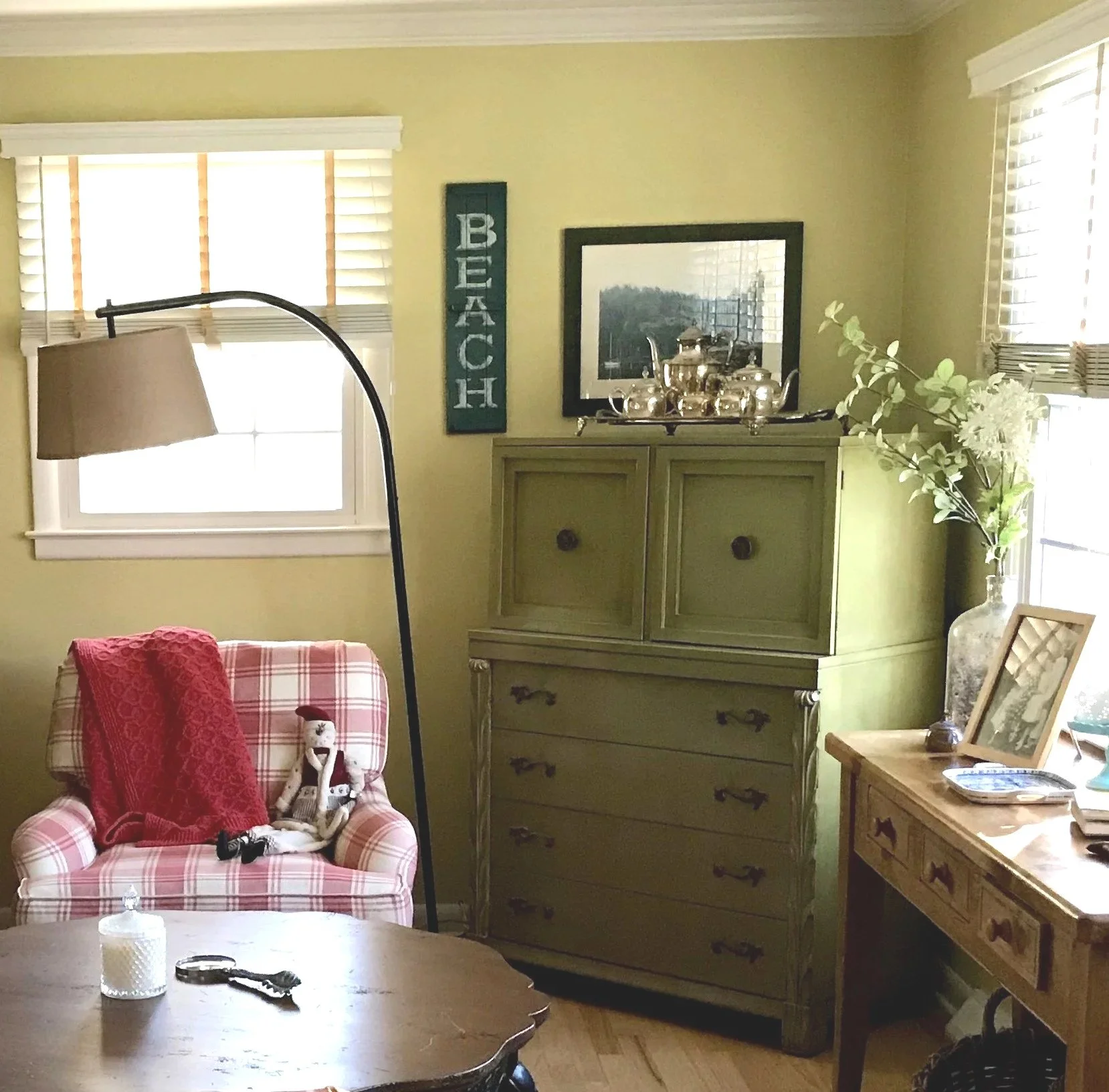
Her favorite chair, the lamp she reads by, and the tea set that has been in the family for years. These are the things that make a new place feel like home.
Sometimes it comes as a slow realization. Sometimes it comes with a phone call you were not expecting.
Either way, you find yourself standing in the house you grew up in, looking at fifty years of your parents' life, and wondering how on earth any of it is going to fit into an efficiency apartment.
If you're helping a parent move to assisted living, I want you to know two things right away. First, what you're feeling is completely normal. This move is practical, but it's also deeply emotional, for your parent and for you. Second, it doesn't have to happen all at once, and it doesn't have to happen without care.
This is some of the most meaningful work I do.
I think often about my grandmother. One day, she made a date with me, just the two of us, to give me her wedding china, her silver, and other pieces she had treasured for years. She wanted to hand them to me herself and tell me the stories that came with them. It was one of the most special and meaningful times we ever spent together. She got to see the things she loved go to someone who would cherish them, and I got to hear, in her own words, why they mattered. If your parent is up for it, a moment like that can be one of the greatest gifts of this whole process, for both of you.
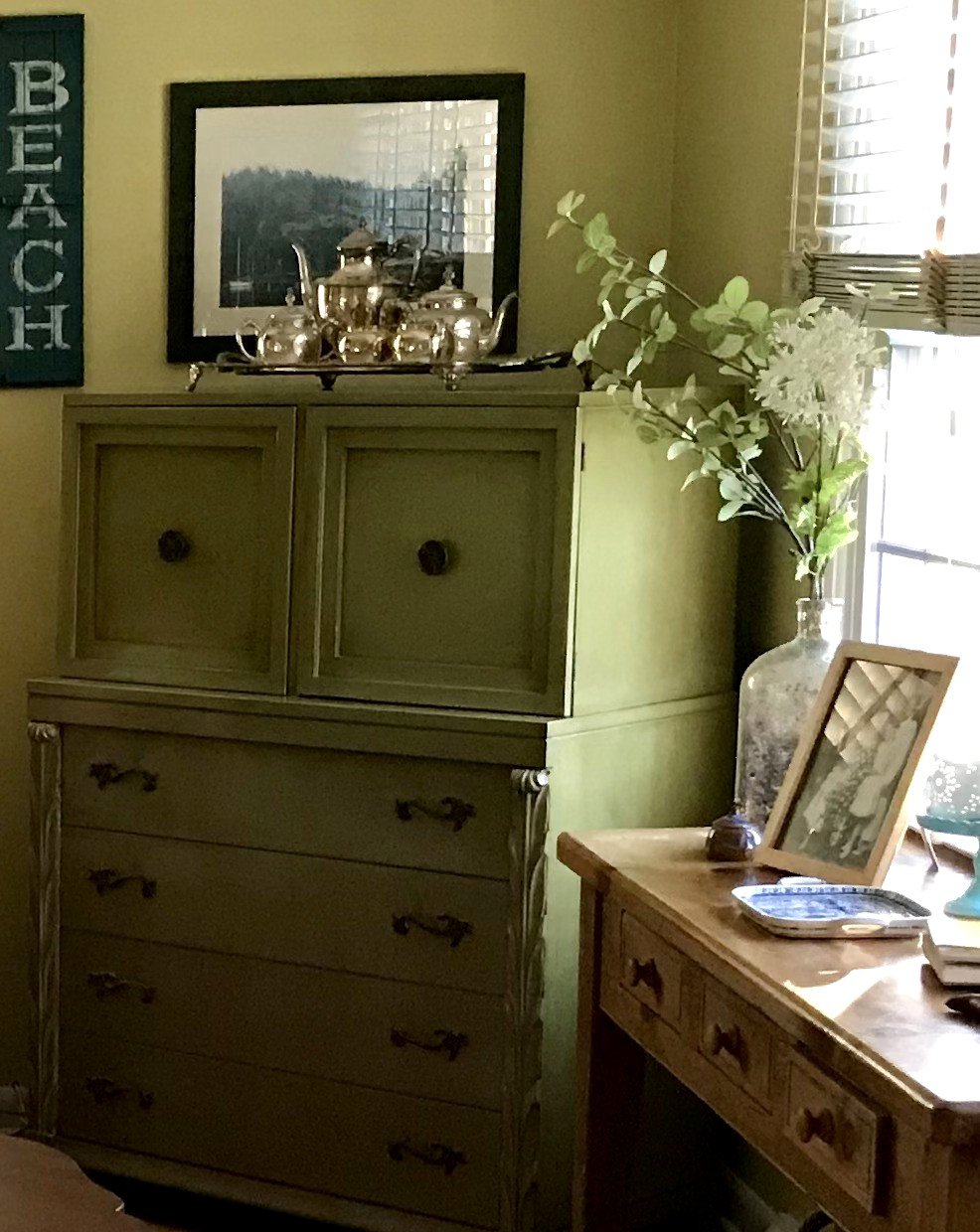
Some pieces carry generations of family stories. They deserve a place in the new home too.
This is how I help families through it.
Start With a Conversation, Not a Box
Before anyone opens a closet, and ideally six months or more before the move, sit down with your parent. Make a cup of tea. Talk about the move, and listen more than you speak.
Ask what they're worried about. Ask what they're looking forward to, even if the answer is small. Ask which things they can't imagine living without.
This conversation matters for a simple reason: this is still their life and their home. The more your parent feels included in the decisions, the more the new place will feel like a choice rather than something that happened to them. That feeling of ownership can make a real difference in how well they settle in.
It may take more than one conversation. That's completely fine.
Learn the New Space First
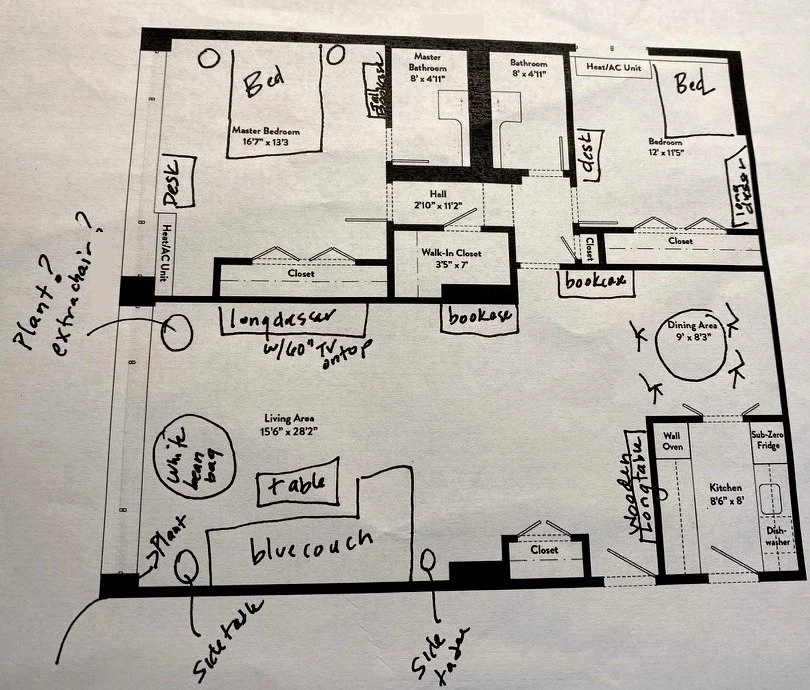
It doesn't have to be pretty. A quick sketch with a pen is all you need to see what fits before moving day.
Once you know which community your parent is moving to, gather as much information about the new space as you can:
A floor plan with measurements
What furniture the community provides, if any
How much closet and drawer space there is
What is and isn't allowed (some communities have guidelines about rugs, candles, or certain appliances)
Where the outlets, windows, and cable connections are
Then measure the furniture your parent loves most. Their favorite chair. The nightstand. The small dresser that has been in the bedroom forever.
I like to sketch the new room on paper and mark where each piece will go. It helps everyone see what fits before anything is packed, and it takes a lot of the guesswork and heartache out of moving day. There's nothing harder than carrying a beloved dresser into a new room only to discover it blocks the bathroom door.
Choose What Makes It Feel Like Home
A room in assisted living can feel small and unfamiliar at first. The goal is to fill it with the things that make your parent feel like themselves.
I usually suggest focusing on a few categories:
Comfort pieces. The chair they always sit in. Their own bedspread or quilt. The pillow they like. The lamp they read by. These carry a sense of familiarity that no new furniture can match.
Faces and memories. Framed photos of family, a few favorite pictures for the wall, and one or two meaningful objects on a shelf where they can see them every day.
Daily rhythm items. The mug they use every morning. The radio or the book they're halfway through. Their slippers. A favorite blanket for the end of the bed.
Clothing that actually gets worn. Most people wear a small portion of what's in their closet. Bring the clothes they reach for most, plus a few special pieces for occasions, and leave room in the closet so getting dressed stays easy.
It can help to set up the new room in a way that mirrors the old bedroom. If the nightstand was always on the left side of the bed, put it on the left side now. If socks always lived in the top drawer, keep them there. These small echoes of home can be surprisingly comforting.
Let Your Parent Lead the Decisions
Sorting through a lifetime of belongings is emotional, and the pace needs to belong to your parent as much as possible.
Some people are ready to make decisions quickly. Others need to pick up each object, tell you its story, and set it down again before they can decide. Both are completely okay. Those stories are part of the process. Sometimes they're the most important part of it.
If you find yourself wanting to hurry things along, try asking questions instead of making suggestions. "Where would you like this to go?" lands very differently than "You don't need this anymore."
And please, be gentle with the things that seem unimportant to you. The chipped teacup may be the one her mother gave her on her wedding day. I wrote more about this in Permission to Keep What Matters, and it's at the heart of how I work.
The Rest of the House Can Wait
One of the kindest things you can do is separate two projects that often get tangled together: moving your parent and emptying the family home.
Moving your parent comes first. Their comfort, their room, and their transition are the priority.
The rest of the house can often wait a little while. Once your parent is settled, the family can take time to decide what to keep, what to offer to children and grandchildren, what to donate, and what to sell. Rushing both projects at the same time is exhausting for everyone and leads to decisions people sometimes regret.
When it's time to sort the house, I often suggest:
Offering meaningful pieces to family members first
Photographing items that hold memories but won't be kept
Finding good homes for furniture and housewares through local donation centers and consignment shops
Giving the attic, basement, and garage their own time, because they almost always take longer than expected
If the house will eventually be sold, my post on getting a longtime home ready for the move walks through that process room by room.
Moving Day: Set Up Before They Arrive
If it's at all possible, I recommend having the room completely set up before your parent walks in.
That means the bed is made with their own linens. Photos are on the walls. Clothes are hung in the closet and folded in the drawers. The favorite chair is in place with a blanket over the arm. The lamp is plugged in and turned on.
Walking into a room that already feels like home is very different from walking into a room full of boxes. It allows your parent to arrive, sit down, and rest, instead of facing another overwhelming project on one of the most emotional days of their life.
While the room is being set up, another family member or friend might take your parent out for lunch or a drive. It gives them a pleasant few hours and gives the room time to come together.
The First Few Weeks
Settling in takes time. Your parent may love their new room right away, or they may need a few weeks to adjust. Both are normal.
Visit often in the beginning if you can. Notice what's working and what isn't. Maybe the chair needs to move closer to the window. Maybe a certain photo belongs by the bed instead of on the dresser. Maybe they miss something that stayed behind, and you can bring it on your next visit.
Small adjustments can make a big difference in how comfortable a new space feels.
Take Care of Yourself Too
This move is hard on adult children as well. You may be grieving the house you grew up in. You may be juggling siblings with different opinions, a job, your own family, and a long list of decisions.
Please give yourself some grace. You don't have to do this perfectly. You don't have to do all of it yourself. And you're allowed to feel sad even when you know the move is the right one.
This is also where a neutral, caring person can help. Part of my role is holding the timeline and the practical details, so families can focus on being present with each other.
Frequently Asked Questions About Helping a Parent Move to Assisted Living
How far ahead should we start preparing?
If you can, start six months or more before the move. A lifetime of belongings deserves time, and starting early lets your parent make decisions at a comfortable pace, tell the stories behind the things they love, and feel part of every choice. It also leaves room for family conversations, the attic and basement, and the unexpected. If you have less time, it can still be done thoughtfully. We simply focus on the new room first.
What if my parent wants to bring more than will fit?
This is very common. Measuring the space and sketching a floor plan together helps everyone see what's realistic. It's much easier to make those decisions on paper than on moving day.
What if my siblings and I don't agree?
Try to agree on a few ground rules before you start, such as who decides what, and a date for final decisions. Having a neutral person involved can also help keep conversations calm and focused on your parent's wishes.
Can you help with both the move and the house?
Yes. My organizing and move management services include planning the new space, sorting, packing, setting up the new room, and helping the family with the home afterward.
When You're Ready
Helping a parent move to assisted living isn't really about furniture or boxes. It's about helping someone you love begin a new chapter while carrying the most important parts of their life with them.
If you're facing this move in Dover, Sherborn, Medfield, Wellesley, Newton, Natick, or a nearby greater Boston or MetroWest town, I'd be honored to help. We can take it one conversation, one room, and one decision at a time.
The best parts of home are coming with them. Let's make room for them.
Love,
Merrie
Hi! I'm Merrie. I find joy in creating cozy, tidy, and welcoming spaces by helping people reclaim their homes as havens of peace and comfort, whether they're navigating a new season, managing a busy household, or simply craving calm. My gentle, collaborative approach ensures every step honors your pace and story. Together, we'll design systems that are beautiful, functional, and sustainable, so you can spend less time overwhelmed and more time truly at home.